
 (1).svg)
 (1).png)


 (1).svg)
.svg)
Considering the integration of Odoo and WordPress for your business? This article delves into the potential of this strategic combination, guiding you through the essential decision-making process and outlining the common integration methods available. Unlocking the synergy between these two powerful platforms can significantly enhance your operational efficiency and digital presence.

Understanding Odoo and WordPress Fundamentals
Odoo Overview
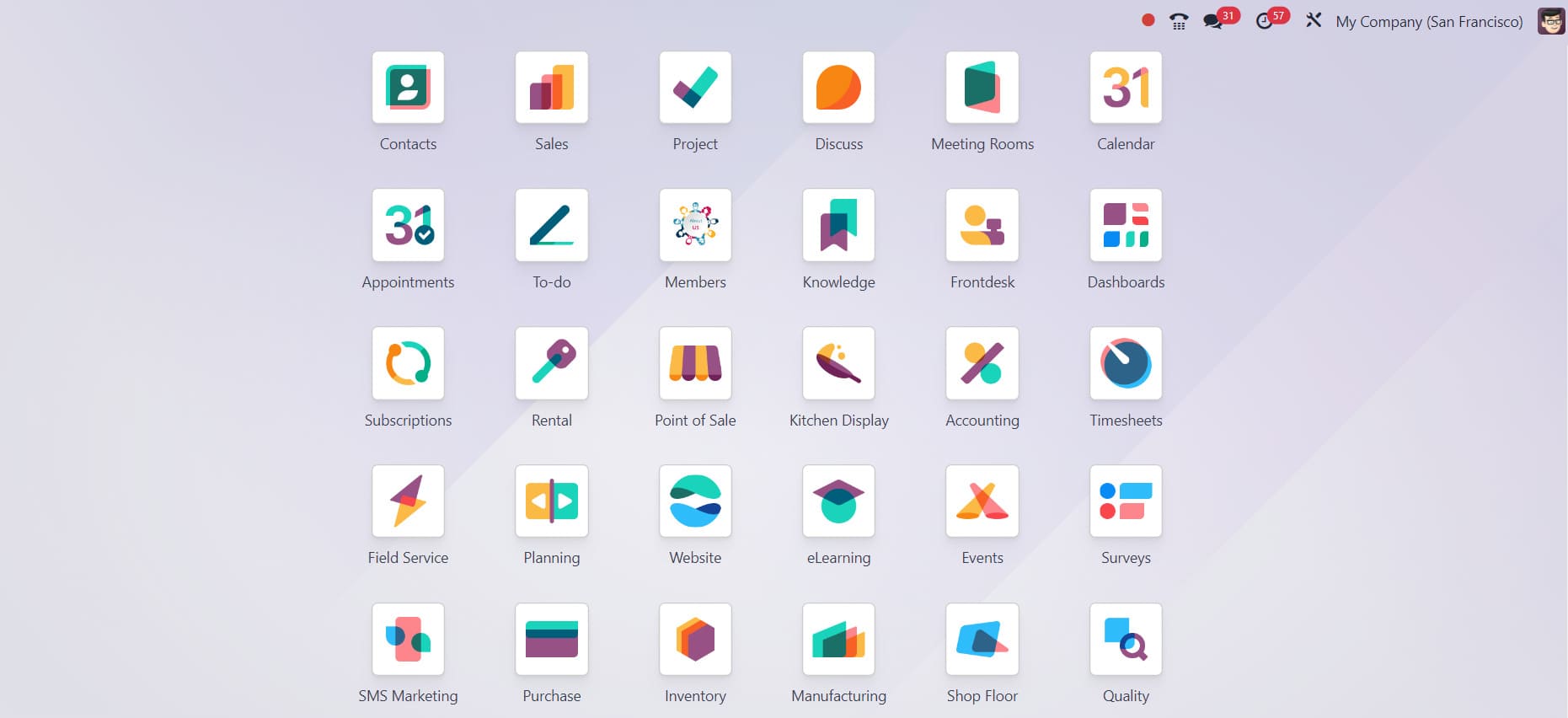
Odoo stands as one of the most widely adopted Enterprise Resource Planning (ERP) systems globally, boasting a user base exceeding 12 million. Its comprehensive open-source suite of business modules is designed to enhance virtually every aspect of a company's operations. A vibrant developer community provides continuous development and dedicated support, while its open-source nature offers significant cost efficiencies and unparalleled customisation opportunities. Key business management features within Odoo encompass Sales and CRM, Inventory and MRP, Finance and Accounting, Marketing and E-commerce, as well as Project and HR management, among numerous other integrated functionalities.
WordPress Overview
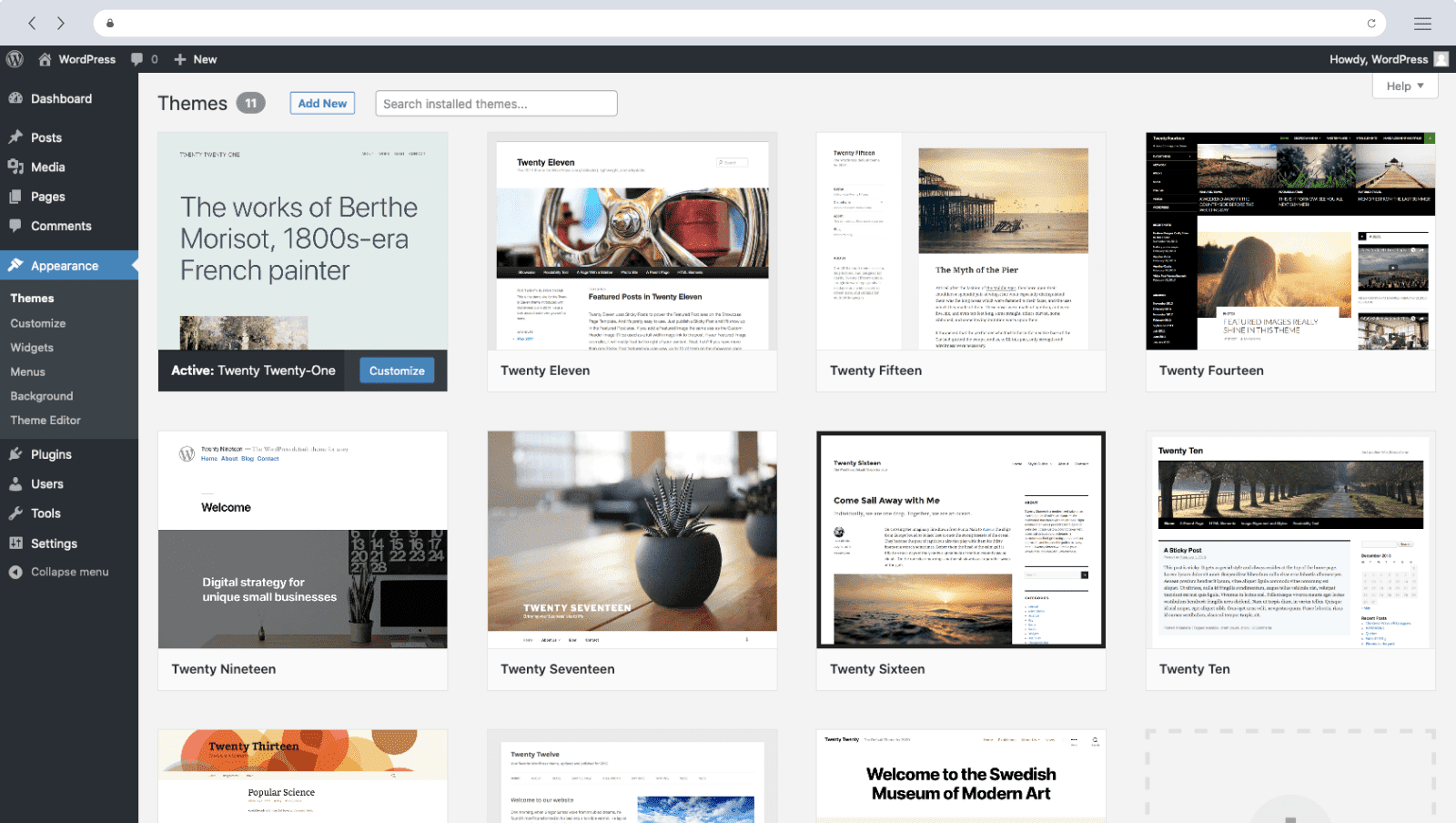
WordPress is a widely recognized, open-source, and free content management system (CMS) utilized for creating and managing a vast array of blogs and websites. Powering over 800 million websites globally, it remains one of the most popular platforms for digital content. Its robust feature set includes extensive website function extensibility through plugins, comprehensive marketing and monetization tools, intuitive website design and management capabilities, and various services aimed at optimizing website performance.
Key Benefits of Integrating Odoo and WordPress
Enhanced E-commerce with WooCommerce Integration
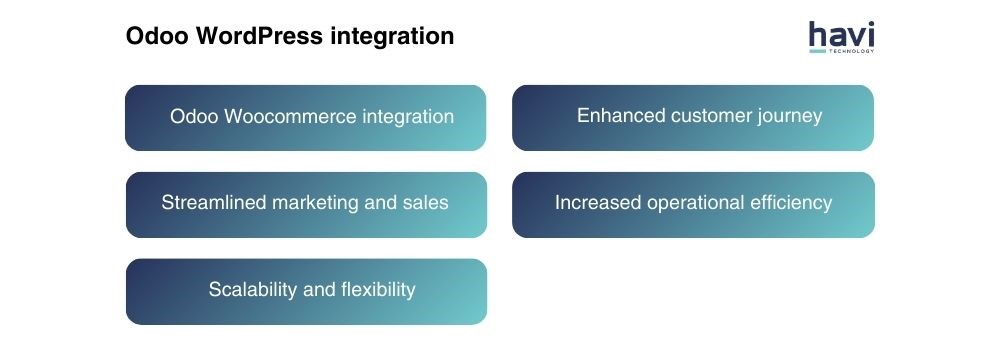
WooCommerce, a complimentary WordPress plugin, offers an immediate solution for launching an online store. Integrating WooCommerce with Odoo allows businesses to manage their entire online operation from a single, unified source of truth. This includes consolidating marketing efforts, streamlining customer support, managing financial transactions, and overseeing orders and inventory. This powerful combination facilitates automatic inventory updates, efficient order processing, centralized sales tax calculations, and simplified shipping management, significantly easing daily business operations. Leveraging this dynamic trio can accelerate a business's journey to long-term success, enhance overall company performance, and simplify the complexities of e-commerce.
Improved Scalability and Flexibility
As your business evolves, the integrated platform expands seamlessly to meet growing demands. Both Odoo and WordPress are renowned for their robust scalability, enabling businesses to effortlessly add new features and adapt to market changes. Odoo's modular architecture provides access to a vast array of modules tailored for diverse business needs, allowing functionality to be added precisely when required. Its structure supports efficient resource allocation, ensuring users have access to the modules they need without unnecessary overhead. Similarly, WordPress offers extensive customization through a wide range of plugins, from advanced e-commerce functionalities to sophisticated lead capture forms, ensuring your website can meet evolving demands. A key advantage is WordPress's open API, which facilitates seamless integration with various tools and applications, including Odoo. This inherent flexibility minimizes feature bloat, maintains website adaptability, and significantly enhances both resource utilization and overall performance.
Delivering a Seamless Customer Journey
Integrating Odoo and WordPress creates a cohesive and enriched customer journey. It allows customers to effortlessly browse products on your WordPress website, transition smoothly to placing and managing orders within Odoo, and experience unified interactions throughout. This integration effectively eliminates data silos, providing a more consistent and streamlined experience that ultimately boosts customer satisfaction and fosters loyalty. Odoo's comprehensive capabilities for order processing and account administration ensure efficient fulfillment and transparent communication at every stage. Furthermore, envision a scenario where a customer discovers a product on your WordPress site and then enjoys an effortless in-store checkout experience using Odoo POS. This seamless connection between your online and offline sales channels is a direct benefit of such an integration, offering a truly omnichannel experience.
Optimized Marketing and Sales Processes
The integration of Odoo and WordPress significantly streamlines marketing and sales efforts. It empowers businesses to strategically enhance lead nurturing and customer relationships by capturing leads directly from their WordPress website and automatically integrating them into Odoo's robust CRM system. This unified view of the customer experience allows teams to dismantle departmental silos, fostering seamless collaboration between marketing and sales. The result is a powerful combination that extends your market reach, cultivates high-quality leads, and effectively converts them into loyal, long-term customers. This synchronization ensures that no lead is lost and every customer interaction is leveraged effectively.
Boosting Operational Efficiency
Integrating Odoo with WordPress substantially increases operational efficiency by automating numerous repetitive tasks. This includes streamlining processes such as lead generation, order management, and even complex e-supply chain operations like inventory and warehouse management. By automating these workflows, significant time and resources are freed up, allowing your team to focus on strategic initiatives, foster stronger customer relationships, and drive innovation. Odoo's advanced automation capabilities optimize internal operations, while WordPress's content scheduling features can automate content publication, thereby minimizing human errors and ensuring consistent online presence.
Exploring Common Integration Methods
Selecting the most suitable integration method for Odoo and WordPress demands a thorough analysis of your specific business requirements and technical capabilities. Here, we explore four common approaches to facilitate this powerful combination:

Direct API Integration
Direct API integration involves utilizing the Application Programming Interfaces (APIs) of both Odoo and WordPress to construct a custom solution precisely tailored to your unique business requirements. This method offers the highest degree of flexibility and granular control over data exchange and system interactions. However, it necessitates a significant level of technical expertise and dedicated development resources. Consequently, direct API integration is most suitable for organizations with intricate operational workflows or highly specific integration demands that off-the-shelf solutions cannot fully address.
Leveraging Plugins and Connectors
Plugins and connectors represent ready-made solutions designed to address common Odoo and WordPress integration needs, including product synchronization, lead capture, and user authentication. These options often provide a more accessible entry point for integration compared to custom API development. Common examples include:
- Dedicated Odoo Connectors: These plugins facilitate basic synchronization for essential data such as product information, leads, and orders. They are generally straightforward to set up, making them a good starting point for simpler integration needs. However, they might not offer extensive custom functionality required for more intricate operational processes.
- Dedicated WordPress Connectors: Offering more advanced capabilities, these plugins often provide features like real-time data synchronization, automated workflows, and robust two-way data exchange. While they may require a slightly higher level of technical understanding for optimal configuration, they prove highly effective for businesses with more complex integration requirements.
- Specialized Third-party Plugins: A variety of developers offer plugins with highly specialized functionalities. These can range from combining specific Odoo modules (e.g., Odoo CRM) with WordPress forms to customizing particular aspects of the integration process. While these plugins offer considerable flexibility, it is important to factor in the need for ongoing maintenance and compatibility testing to ensure seamless operation.
Utilizing Third-Party Integration Tools
Third-party integration tools, such as Zapier, offer user-friendly visual drag-and-drop interfaces that are particularly ideal for individuals without extensive technical backgrounds. These platforms enable the connection of various applications through pre-built "zaps" or "flows," automating workflows across different systems. While they provide an accessible and rapid way to achieve integration, it's important to acknowledge that they might have certain limitations or drawbacks when compared to highly customized development solutions, especially for unique or complex business logic.
Engaging Professional Integration Services
Many specialized firms offer professional integration services for Odoo, WordPress, and WooCommerce. These experts manage the entire integration process, encompassing setup, configuration, and ongoing maintenance, to ensure a seamless and efficient experience. This solution is particularly advantageous for businesses that may lack the internal technical resources or expertise required to undertake the integration themselves. While engaging professional services represents an investment, it guarantees a robust and finely tuned integration, allowing businesses to focus on their core operations without distraction.
Determining the Need for Both Platforms: Key Considerations
Understanding the context surrounding your business needs is paramount. While integrating open-source platforms like Odoo and WordPress can undeniably provide a significant boost to your business capabilities, it is a decision that warrants careful consideration. To assist you in navigating this choice, here is a practical roadmap designed to guide you through the selection process before committing to an integration.
Assessing Your Business Requirements
Prior to embarking on an Odoo and WordPress integration, it is crucial to dedicate time to thoroughly evaluate your company's current operational landscape and strategic objectives. Consider the following key aspects:
- Identify Your Current Pain Points: Are you encountering challenges with fragmented data, inefficient workflows, or a suboptimal online user experience? Clearly identifying these difficulties will illuminate precisely how an integration could provide tangible solutions and improve overall business flow.
- Define Your Business Goals: What are your primary objectives? Are you aiming to significantly increase online sales, cultivate stronger customer relationships, or streamline internal operational processes? Ensuring that any integration aligns directly with your overarching business goals is essential for achieving meaningful and measurable outcomes.
- Review Your Existing Systems: Document all current software applications utilized for marketing, accounting, customer relationship management, or other core business functions. Understanding your existing technological ecosystem will help determine potential compatibility, identify any integration complexities, and estimate the effort required.
To further clarify this decision, let's consider typical scenarios that benefit most from this integration, versus those where starting with a single platform might be more advisable:
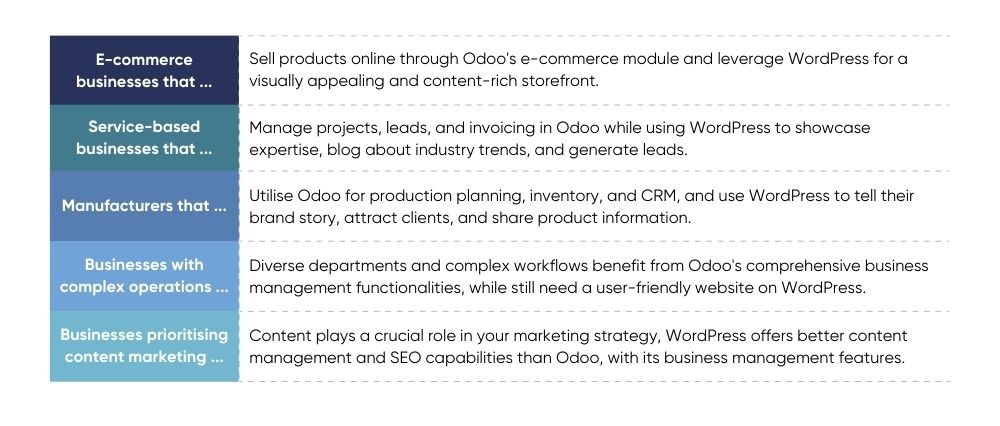
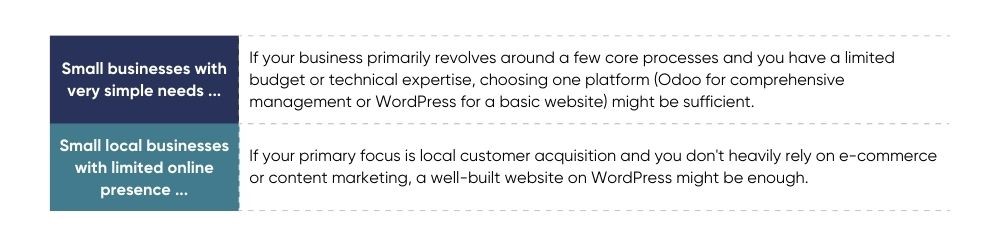
Ultimately, the decision to integrate these platforms hinges on your unique business strategy, overarching goals, and available resources. A careful consideration of your specific needs, financial parameters, and technological capabilities is essential before committing to a dual-platform approach.
Evaluating the Advantages and Disadvantages
While the potential benefits of integrating Odoo and WordPress are compelling, a sound strategic approach necessitates a balanced evaluation of both the advantages and potential drawbacks. Below, we outline some common benefits and limitations to help inform your decision-making process:

Considering Available Resources
A meticulous assessment of your available resources is a critical step in the integration planning process. This ensures that the project is not only feasible from the outset but can also be successfully implemented, diligently maintained, and continuously optimized. Key aspects to consider include:
- Technical Expertise: Evaluate your internal team's technical capabilities. Can they proficiently handle the setup, configuration, and basic troubleshooting independently, or will professional assistance be a necessary investment?
- Financial Allocation: Determine the financial resources available for the integration. This encompasses potential costs for integration tools, development services, or ongoing application subscriptions, ensuring these align with your overall budget.
- Time Commitment: Assess the willingness and capacity of your team to dedicate the necessary time to learn, implement, and actively manage the integrated systems. Successful integration often requires ongoing attention and adaptation.
Exploring Alternative Solutions
Before committing to a complex integration procedure, it is crucial to thoroughly explore all available options. The ultimate objective is to identify the most efficient and cost-effective solution that aligns perfectly with your specific business objectives and current resource constraints. Consider the following pivotal questions:
- Optimizing Current Systems: Can your core objectives be met by enhancing or further optimizing your existing Odoo or WordPress installations? Sometimes, strategic updates, additional modules, or new configurations within a single platform can suffice, negating the need for a full integration.
- Simpler Integration Pathways: Investigate the feasibility of user-friendly plugins, connectors, or third-party utilities that might offer a simpler, more immediate solution without extensive development.
Seeking Information and Support
While the integration of Odoo and WordPress holds significant potential for business transformation, it inherently demands a commitment to continuous learning and ongoing support. Fortunately, you are not navigating this journey alone; a rich ecosystem of tools and collaborative networks exists to empower your efforts. Consider these avenues for information and assistance:
- Engage with Peer Businesses: Connect with other companies that have successfully implemented Odoo and WordPress integrations. Learning from their practical experiences, challenges, and successes can provide invaluable real-world insights.
- Explore Online Resources: Actively utilize the wealth of online resources available, including dedicated forums, vibrant community platforms, and informative blog posts. These sources can offer practical advice, troubleshooting tips, and deeper technical insights.
- Consider Professional Consultation: If the complexities of integration exceed internal capabilities, seeking expert advice from experienced developers or specialized integration specialists is highly recommended. They can provide tailored guidance, custom solutions, and robust support throughout the entire process.
In conclusion, while connecting Odoo and WordPress can lead to significant improvements in operational efficiency and an enhanced customer experience, it is vital to recognize that this is not a universal "one-size-fits-all" solution. It is often advisable to start with a phased approach, integrating basic functionalities initially and gradually expanding as your confidence and understanding grow. Throughout this process, maintain a clear focus on the tangible benefits you aim to achieve and how this integration directly supports your overarching business objectives.
Making Your Integration Decision
Combining the power of Odoo and WordPress effectively forms a robust growth strategy for your business. The opportunities are substantial, ranging from streamlining daily operations to fostering enhanced stakeholder interactions. However, it's important to acknowledge that navigating the technological complexities of such an integration can be challenging. To ensure a seamless and impactful deployment, businesses often find value in working with experienced Odoo or WordPress integration service providers. Their specialized expertise can guide a successful implementation that perfectly aligns with your specific requirements, allowing your team to concentrate on leveraging the operational and strategic benefits. Do not let potential technical hurdles deter you from exploring the full potential of this dynamic combination.