
 (1).svg)
 (1).png)


 (1).svg)
.svg)
Creating a MySQL database within cPanel is a fundamental task for web developers and administrators who manage websites and applications requiring robust data storage. This straightforward process is essential for many database-intensive projects, enabling efficient organization and access to crucial information.
Requirements
- Access to a server environment running cPanel.
- Valid cPanel login credentials with appropriate permissions to manage and create databases.
Step-by-Step Guide to Creating a MySQL Database in cPanel
-
Access your cPanel account. Navigate to your cPanel login page and enter your username and password.

-
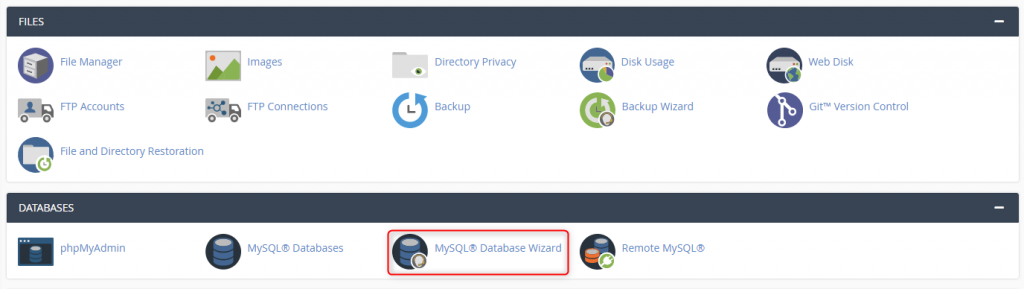
Locate and click on the MySQL Database Wizard icon. This intuitive tool streamlines the database creation process, guiding you through each necessary step.
-
Provide a unique name for your new database in the designated input field. It is advisable to choose a descriptive name relevant to your project. After entering the desired name, click Next Step to proceed.

-
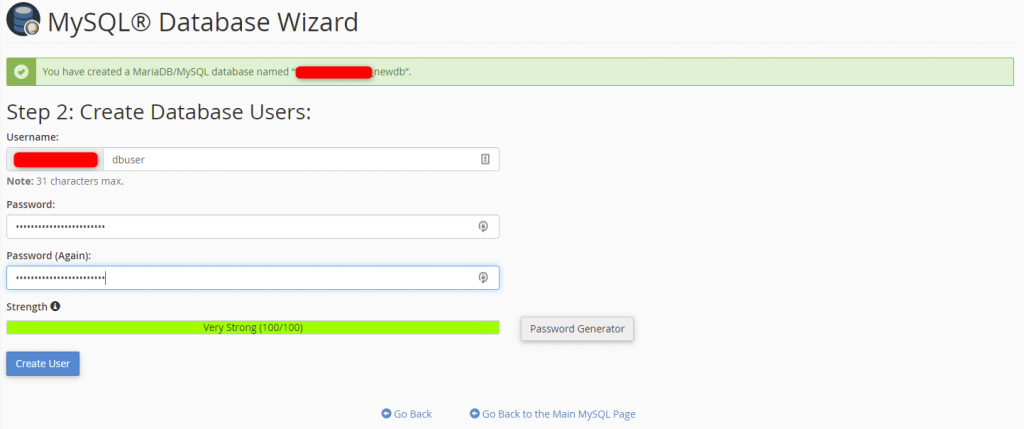
Create a dedicated user for this database. Enter a strong username and generate an equally robust password for this user. Ensure the password meets complexity requirements and record it securely. Confirm the password and then click Create User.
-
Assign appropriate privileges to the newly created user for the database. For full administrative control, select the All Privileges checkbox. Alternatively, you can choose specific privileges based on your security requirements and the user's role. Once your selections are made, click Next Step to finalize the permissions.

-
Upon successful completion, the MySQL database will be created, and the new user will be added with the specified privileges. It is crucial to securely record the database name, username, and password, as these credentials will be necessary for connecting your scripts or applications to the database. Click Return Home to navigate back to the cPanel main page.
-
To review your existing databases, manage users, or make further modifications, simply click on the MySQL Databases option available on the cPanel home page. This section provides a comprehensive overview and management interface for your database environment.
Within this interface, you have the flexibility to view database details, modify user permissions, or delete databases and users as needed, ensuring full control over your data management.
Conclusion
The process of creating a MySQL database in cPanel is designed to be straightforward and efficient, enabling developers and administrators to quickly set up the necessary infrastructure for their web projects. By diligently following these clear steps, you can establish a secure and functional database, ready to power your applications. Mastering this fundamental skill ensures a solid foundation for any data-driven website or application managed through cPanel, contributing to seamless development and operation.